You claim a free bet, open the sportsbook and find that the offer only works at odds of 2.00 or higher. Your usual pick is shorter than that, so suddenly you’re looking at a long-priced outsider, a goalscorer or a market you rarely touch. It can feel as though the bookmaker is steering you into a bet you wouldn’t otherwise make.
There is usually a reason: free bets are promotional stakes with conditions, not cash in your account. Minimum odds, eligible markets, expiry dates and rules about whether the stake is returned all shape how you can use them. Understanding those terms helps you decide whether an offer suits your betting habits—or whether it’s better left unclaimed.
What a free bet actually is
A free bet is generally a stake funded by the bookmaker, issued as a token or promotional balance. It is not the same as having that amount in withdrawable cash. You place the token on an eligible selection, and if the bet wins, the bookmaker usually pays out the winnings but keeps the free-bet stake. This is the familiar “stake not returned” rule.
For example, say you receive a €10 free-bet token and use it on odds of 4.00. If the selection wins, the return is typically €30 in winnings: €10 multiplied by the 3.00 profit portion of the odds. You do not receive €40, because the €10 token stake is not returned. If the selection loses, the token is usually gone.
That calculation matters when comparing a free bet with a cash bet. A €10 cash stake at 4.00 would usually return €40 in total, including your original €10 stake. A €10 free-bet token at the same odds would usually produce €30 in winnings, before any further terms or restrictions.
Tokens may need to be claimed manually
Some promotions credit a free-bet token automatically after you meet the qualifying conditions. Others require you to claim it in the promotions area or click a button in your account. A token can also have a short expiry window, so check whether it is available immediately and when it must be used.
Do not assume that a qualifying deposit or bet automatically puts the free bet in your balance. Check the offer’s steps, the token status and the expiry date. If a token is subject to a minimum odds rule, that rule will generally still apply when you use it.
Why minimum odds rules exist
A minimum odds rule means your selection must sportsnewsireland.com meet or exceed a stated price—often something like 2.00, though the threshold varies by offer. The bookmaker uses the rule to define what counts as a qualifying bet or an eligible use of the token. It also makes the promotion less attractive to use on very short-priced selections, where the potential winnings from a stake-not-returned free bet would be small.
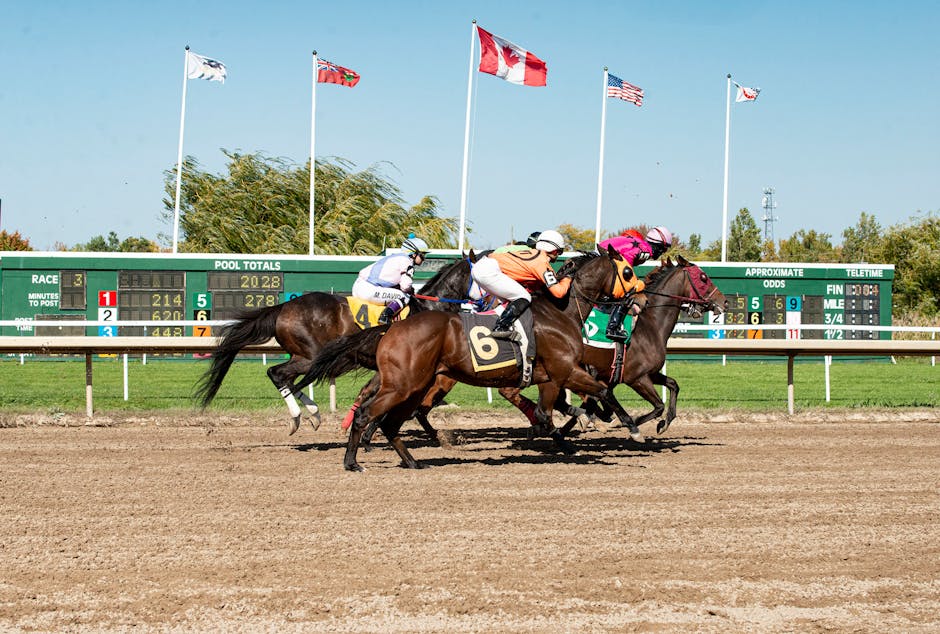
That is why minimum odds forces picks is a fair description of how the condition can feel in practice. If your normal bet is at 1.50, but the token only works at 2.00 or above, you have to change your selection, find a different market or skip the offer.
The rule does not necessarily mean you must choose a long shot. It means the bet has to clear the specified odds threshold. Still, if the only eligible options are unfamiliar or outside your usual approach, the offer may nudge you towards risk you would not otherwise take.
Check which odds count
Promotions may refer to decimal odds, but it is worth confirming exactly how the requirement is applied. The terms may also specify whether the threshold applies to each selection in a multi-bet, to the combined odds of an accumulator, or to a particular qualifying bet. A requirement based on combined odds can encourage adding selections; one based on each selection can rule out shorter-priced legs.

Look for details such as:
- Whether the minimum applies to a single bet or an accumulator.
- Whether every selection must meet the odds threshold, or only the overall bet.
- Which sports, events and markets are eligible.
- Whether odds are assessed when the bet is placed or at another point.
- Whether cash-out, partial settlement or a void selection affects eligibility.
Restricted betting markets can narrow your options
Odds are only one part of the restriction. Some offers exclude certain sports, competitions, bet types or in-play markets. Others may accept standard match-result bets but exclude specials, enhanced prices, each-way bets, multiples or specific markets within an event.
These restricted betting markets can make the minimum odds condition more noticeable. For instance, your preferred match-winner selection might be available at 1.70 and therefore fail the odds rule. A permitted goalscorer or correct-score market might meet the threshold, but carry a very different risk profile. The fact that a market is permitted—and has suitable odds—does not make it a sensible choice for you.
Before placing a token, open the offer terms and check the eligible market list. If the wording is unclear, ask the bookmaker’s support team to confirm whether the exact bet qualifies. That is better than relying on an assumption and finding later that the token was used on an ineligible selection.
Matched deposit offers versus no-deposit offers
Free bets often sit inside one of two broad types of promotion. The distinction affects how you qualify, whether you have to risk your own money first and what you receive afterwards.
A matched offer is not simply “deposit €20 and get €20 cash”. It may require a qualifying bet at specified minimum odds, and the reward may be a free-bet token whose stake is not returned. You could lose the qualifying cash bet and still receive the token only if you met all the terms.
A no-deposit offer can avoid the initial deposit requirement, but that does not mean the token is unrestricted. It may be smaller, limited to selected markets, available only to eligible new customers or subject to verification. Any winnings may also have separate conditions. Read the full terms rather than judging an offer by its headline value.
What a money-back special means
A money-back special is a separate kind of promotion. It generally promises a refund if a stated event happens, but the trigger and the form of the refund depend on the terms. “Money back if your player doesn’t score” sounds straightforward until you ask: does the player need to start? Does a substitute appearance count? Is the refund cash, a free-bet token or bonus credit? Does the offer cover all markets or only selected bets?
For example, a bookmaker might advertise a refund if a named player does not score in a particular match. The terms could say the refund is paid as a free-bet token, up to a maximum amount, and only for a pre-match single. If the player scores, there is no refund. If they do not, the qualifying stake may be returned as a token rather than cash you can withdraw.
Other specials may trigger a refund if a team loses by one goal, a selection finishes second, or a match ends in a draw. Never assume that “money back” means a cash refund of your full stake. Check the event that activates the offer, the eligible bet types, the refund cap, when the credit arrives and its expiry.
How bonus token limitations shape your decision
Bonus token limitations are the conditions attached to the promotional stake: minimum odds, restricted markets, maximum token value, expiry, qualifying steps and the stake-not-returned rule. Taken together, they determine how much flexibility the offer really gives you.
Use this checklist before placing a token:
Are higher odds always better for a free bet?
Because the stake is not returned, a winning free bet at higher odds can produce a larger payout than the same token at shorter odds. But that does not mean chasing the biggest price is automatically the right move. Higher odds also generally indicate a less likely outcome, and a token that expires unused has no value to you—but neither does a token spent on a bet you did not want to place.
Think of the token as a conditional promotional stake, not a reason to change your betting strategy. If the minimum odds requirement pushes you towards a market you do not understand, compare the terms with other offers or decide not to participate. An offer is only useful when its conditions work for your preferences and budget.
A practical example: the offer versus your usual bet
Imagine a bookmaker offers a €10 token after a qualifying deposit and requires a bet at minimum odds of 2.00. Your usual selection is priced at 1.65, and it is the only market you would otherwise consider. That bet does not qualify. You could look for another eligible selection at 2.00 or above, but you should assess it on its own merits—not simply because the token needs somewhere to go.
If you choose a qualifying bet at 2.50 and it wins, the likely winnings from a stake-not-returned €10 token are €15. If it loses, the token is lost. The headline “€10 free bet” therefore does not guarantee €10 of value, and the minimum odds rule may make the choice less convenient than it first appeared.
The bottom line
Some free bets push you towards odds you would not normally take because the bookmaker sets a minimum price, limits eligible markets or ties the token to a qualifying bet. The token’s stake is commonly not returned, and some offers require you to claim it manually or use it before a short expiry deadline.
Before accepting, check the full terms: how to qualify, when the token arrives, what markets count, the minimum odds, the refund trigger if it is a money-back special, and whether winnings are paid as cash or promotional credit. Then ask whether you would place the bet without the offer. If the answer is no, you are under no obligation to use the token. Betting should stay within your budget, and promotional terms should never be a reason to stake more than you can afford to lose.
- About the Author
- Latest Posts

L. Derek Eldridge is an esteemed authority in the iGaming sector and has more than 15 years of thought leadership, writing, and editing experience under his belt. He launched his career in the online gaming world in the early 2000s. Since then, he’s built a reproach-free reputation for voice and vision, and for comprehending the technologies and market dynamics that lie behind online gaming’s virtual world. Eldridge understands this world because he’s advised leading online gaming platforms on how to grow and innovate significantly.